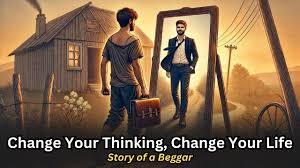
Tobias Fletcher stood near Lock 17 on the Kennet and Avon Canal. His violin hung at his side. The April sun warmed the towpath where barges waited their turn to pass through the lock. This was his usual spot. Every day, boats came and went. Merchants, farmers, coal haulers—they all stopped here.
The lock was always busy. Water rushed through the gates. Horses pulled barges along the towpath. Lock keepers shouted instructions. Men loaded and unloaded cargo. And Tobias played his violin.
He had been doing this for two years now. When a barge stopped, he would play a quick tune. Then he would hold out his cap. Sometimes people tossed in a penny. Sometimes they ignored him completely. Most days, he barely collected enough for bread and a bed at the inn.
As you read this story, notice what happens when Tobias changes his approach. See if you can spot the exact moment everything shifts.
One afternoon in late spring, a fine barge arrived at the lock. It carried bolts of cloth covered with canvas. A well-dressed man stood on deck. His coat was dark wool. His boots were polished leather. Tobias recognized wealth when he saw it.
He lifted his violin and began to play. His fingers moved across the strings. The melody was cheerful, one he knew people liked. When he finished, he stepped toward the barge with his cap extended.
“Sir, if you can spare something. I make my living by music.”
The merchant looked at him. His expression was neither kind nor cruel. Just thoughtful. “Tell me,” he said. “Why should I give you anything?”
Tobias blinked. “Well, sir, I just played for you.”
“Did I ask you to play?” The merchant’s voice was calm, not angry. “Did we make an agreement beforehand?”
“No, but—”
“Then you gave me nothing I requested. You simply played and then asked for payment.” The merchant stepped off the barge as the lock keeper began filling the chamber. “I am Edmund Hartley. I sell textiles. When someone wants cloth, they tell me what they need. I provide it. They pay me. That is exchange. But you? You take up space on this towpath. You play music nobody asked for. Then you expect payment. What are you really giving?”
Tobias opened his mouth, then closed it. No one had ever spoken to him this way.
Edmund nodded politely and walked toward the lock keeper’s cottage. His barge began to rise with the water. Minutes later, it moved on toward London.
Tobias stood alone. The words burned in his mind. “What are you really giving?”
That night, he barely slept. He kept thinking about what Edmund had said. For two years, he had believed he was earning money through music. But was he? Or was he just… taking?
Three days passed. Tobias didn’t play at all. He sat by the canal and watched. He saw merchants shake hands. He saw farmers sell vegetables to barge crews. He saw the lock keeper collect tolls for passage. Everyone gave something first. Then they received something in return.
But what could he give besides just playing?
On the fourth morning, an idea came to him. What if instead of just playing random tunes, he offered something people could keep? What if he gave them the songs themselves?
He spent that afternoon writing. He took paper—expensive, but necessary—and copied out the lyrics and melodies to his most popular songs. Simple tunes that anyone could sing or hum. Songs about the canal, about travel, about home. He made the writing neat and clear.
The next morning, he returned to Lock 17 with a new approach. When a family barge arrived, he played a cheerful traveling song. When he finished, he stepped forward.
“Good morning! That was ‘The Barge Man’s Journey.’ If you’d like, I can give you this.” He held up a paper with the song written out. “You can sing it with your children as you travel. If you feel it’s worth something, you can pay what you think is fair.”
The woman on the barge smiled. “Oh, how lovely! My children would enjoy learning that.” She gave him threepence and took the paper carefully. “Thank you, young man.”
Young man. Not “musician” or “that fellow with the violin.” Young man.
By afternoon, Tobias had sold six song sheets. He earned more in one day than he usually made in three. And something else changed. People looked at him differently. They smiled. They thanked him. Some even asked if he had other songs.
That evening, he sat by the canal and made more copies. Twenty sheets. Different songs for different people. Work songs, love songs, lullabies.
Two weeks went by. Tobias became known along the canal as “the music man.” Not because he played on the towpath, but because he sold songs people could take home. Barge families bought songs for their children. Lock keepers bought drinking songs for their cottages. Merchants bought popular tunes to impress their wives.
One sunny afternoon, Edmund Hartley’s barge returned. Tobias saw him immediately. His heart pounded. He grabbed his best song sheet and hurried over.
“Mr. Hartley! Sir, I remember you. You were right about what you said. I wasn’t really giving anything. But now I am.” He held out a carefully written song. “This is ‘The Merchant’s Return.’ It’s about a man sailing home to his family after a long journey. If you’d like it, I’m selling copies for sixpence.”
Edmund took the paper and read it. A slow smile spread across his face. “Well done.” He pulled out a shilling—twice the asking price—and pressed it into Tobias’s hand. “Keep the change. You’ve learned something valuable.”
“What’s that, sir?”
“That you were never really just a street musician. You were a merchant who didn’t know it yet.” Edmund gestured to the song sheets in Tobias’s bag. “You have something worth selling. That makes you a businessman.”
The lock gates opened. Edmund’s barge began to move. But before it left, he called back: “Remember this—people don’t value what’s free. They value what costs them something. And they only pay when they receive something worth having.”
The barge disappeared down the canal. Tobias stood watching it go. The shilling felt heavy in his hand. But heavier still was the weight that had lifted from his shoulders.
For two years, he had seen himself as someone who needed others’ charity. A musician hoping for kindness. But that wasn’t true. He had skills. He had knowledge. He had something people wanted.
That evening, Tobias made a decision. Tomorrow, he would travel to the next lock. And the next one after that. He would visit all the locks on the Kennet and Avon Canal. He would sell his songs to everyone who wanted them. And when he had saved enough money, he would print proper songbooks. Maybe even open a shop.
Six months later, Tobias had built a small business. He sold songbooks at every major canal lock between Reading and Bath. He hired other musicians to help him copy songs. And when he passed Lock 17, he always remembered the merchant who taught him the most important lesson of his life.
The canal was still there. The barges were still there. The lock keepers were still there. Everything looked the same. But Tobias was completely different. Not because of what he owned, but because of how he saw himself.
He wasn’t a street musician anymore. He was a music merchant. And the difference between those two things was simply this: one waited for charity, the other provided value.
What did you learn from Tobias’s journey? I hope this story helps you see your own gifts in a new way. If this touched your heart, please subscribe to receive more stories like this. And share it with someone who needs to understand their own worth. Sometimes the right story at the right time can change how someone sees themselves forever.
